Source Custom Wooden Cat Claw Bracelet for Gifts, Parties, and Promotions
Find 30 listings for Custom Wooden Cat Claw Bracelet options suitable for gifts, parties, and promotions. Compare materials like wood and silicone, styles, and customization features to identify the best fit for your sourcing needs.
Key considerations
Products List
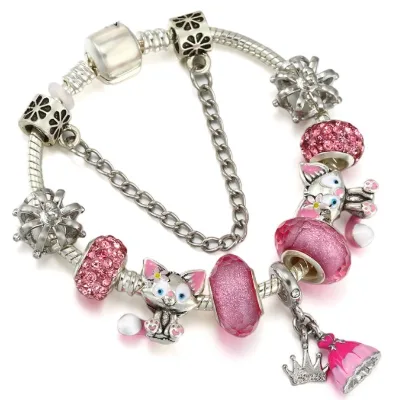
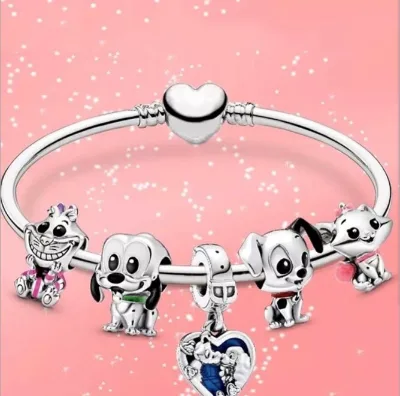


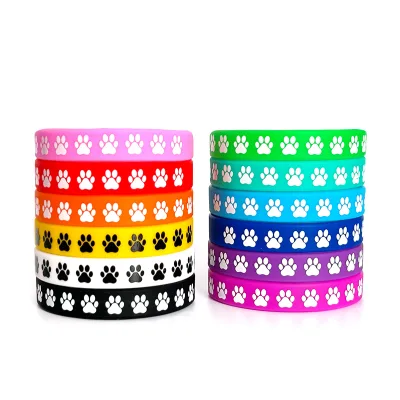


12 PCS Play Jewelry Cute Animal Cat Charm Gift Bracelets for Girls Kids
$0.15 - $0.17
MOQ: 5800 Pieces
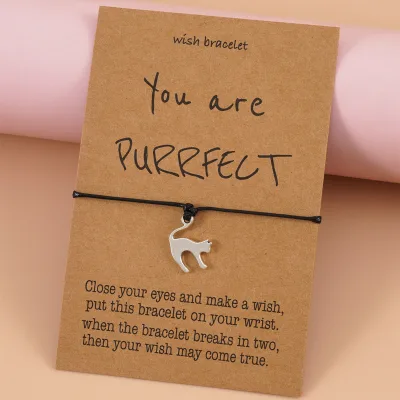


Wooden Handle Spring Tease Cat Stick Feather Bell Cat Interactive Tease Cat Stick Cat Toys
$0.66 - $0.68
MOQ: 1200 Pieces

Cat Climbing Frame Solid Wood Sisal Column Grinding Claw Cat Scratching Board Toy
$8.66 - $8.68
MOQ: 1200 Pieces

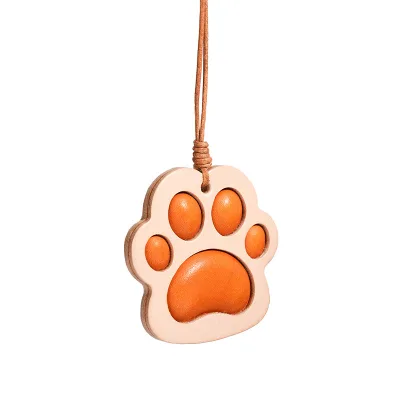

Creative New Stainless Steel Key Chain Custom Hollow Cats Claw Shape Keychains Cat
$0.39 - $0.76
MOQ: 50 Pieces


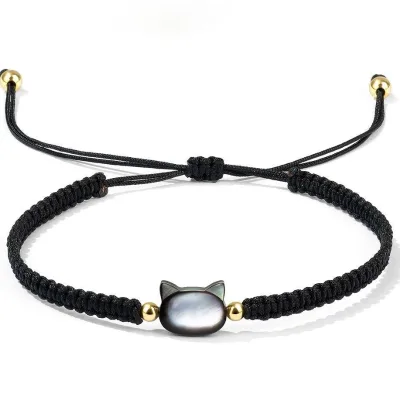
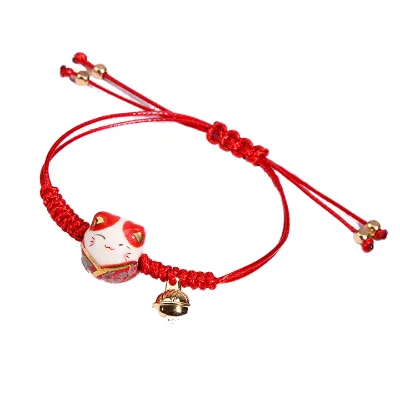


Custom Plush Cat Keychain with Bowknots Adorable Decorative Charm for Bags
$2.00 - $5.00
MOQ: 100 Pieces


Factory Direct Wholesale Claw Sharpener Wooden Corrugated Cat Scratcher Cat Toy
$1.29 - $1.52
MOQ: 100 Pieces

Pets Necklaces Star Planet Pendant Pearl Neck Chain Cats Sweet Necklaces
$1.29 - $1.52
MOQ: 100 Pieces


Comprehensive Sourcing Guide
Custom Wooden Cat Claw Bracelet Sourcing Guide
Sourcing custom wooden cat claw bracelets requires a nuanced understanding of the intersection between pet accessories and novelty jewelry. While the core keyword suggests a hybrid product, the available market data reveals distinct categories: wooden cat trees and scratchers, and silicone or wooden slap bracelets. Buyers must first clarify whether they are sourcing functional pet furniture or wearable novelty items, as the supply chains, material standards, and regulatory requirements for these two product types are fundamentally different. The term "cat claw" may refer to the shape of a bracelet designed to mimic a cat’s claw or a functional scratching post, necessitating precise definition in initial supplier communications to avoid misalignment in product specifications and expectations.
The observed product landscape includes items ranging from solid wood cat trees with sisal rope to silicone slap bracelets with custom logos. For buyers interested in the wearable aspect, materials such as silicone, wood, and mixed media are prevalent, often featuring cartoon or minimalist designs. Conversely, for pet-related products, the focus shifts to durable materials like bamboo, solid wood, and MDF, designed for climbing and scratching. Understanding this dichotomy is critical for effective sourcing, as the manufacturing processes for a 16cm wooden cat tree differ significantly from those for a customized silicone bracelet. Buyers should align their procurement strategy with the specific product type, ensuring that the supplier’s expertise matches the intended end-use of the item.
Product Scope and Observed Listing Signals
The product scope for custom wooden cat claw bracelets spans two primary categories: pet furniture and novelty jewelry. In the pet furniture segment, listings indicate the use of solid wood, MDF, and bamboo, with core functions including climbing, scratching, resting, and perching. These items often feature stable structures such as single posts or triangular supports and are available in various lengths, typically ranging from 16cm to 21cm. The materials are chosen for durability and safety, with sisal rope commonly used for scratching surfaces. Buyers looking for functional pet accessories should focus on suppliers who specialize in wooden cat trees and scratchers, ensuring that the design supports the weight and activity levels of cats of all ages, from kittens to adults.
In the novelty jewelry segment, the scope includes silicone slap bracelets and wooden beads, often customized with logos and specific colors. These items are marketed for various occasions, including parties, weddings, and holidays, and feature styles ranging from cartoon to minimalist modern. The materials listed include silicone, crystal, gemstone, and wood, with customization options for logos and packaging. Buyers interested in wearable accessories should verify the specific material composition, as "wooden" may refer to wooden beads or wooden accents on a silicone base. The observed price range and MOQs vary significantly between these categories, with pet furniture generally commanding higher prices and different minimum order quantities compared to mass-produced silicone bracelets.
Technical Specifications to Verify
When verifying technical specifications for wooden cat trees, buyers should focus on material integrity and structural stability. The core materials often include solid wood, MDF, and particle board, with rattan and metal used for additional support. It is essential to confirm the dimensions of the product, as lengths vary from 16cm to 21cm, and ensure that the structure is suitable for the intended cat age, whether it is a short model for kittens or a tall model for adults. The use of sisal rope for scratching surfaces is a standard feature, and buyers should verify the quality and durability of this material. Additionally, the packing dimensions, such as 535320 cm, should be considered for logistics and storage planning, ensuring that the product can be shipped efficiently without damage.
For silicone and wooden slap bracelets, technical specifications should center on customization options and material safety. Buyers should verify the available colors, which range from basic shades like black and white to more vibrant options like rainbow and multi-color. The logo type, often silkscreen, and the customization of the brand logo should be clearly defined. The size is typically customized, allowing for flexibility in design, but buyers should confirm the exact dimensions and fit. The feature set, including eco-friendly properties, glow-in-the-dark capabilities, and USB integration, should be verified to ensure they meet the target market’s expectations. Additionally, the packaging options, such as OPP bags or boxes, should be specified to protect the product during transit and enhance its presentation.
Compliance and Safety Documentation
Compliance and safety documentation are critical for both pet furniture and novelty jewelry, though the specific requirements differ. For wooden cat trees, buyers should ensure that the materials used, such as solid wood and MDF, meet relevant safety standards for pet products. This includes verifying that the finishes and adhesives are non-toxic and safe for cats to chew or scratch. The use of sisal rope should also be checked for durability and safety, ensuring that it does not splinter or pose a choking hazard. Buyers should request documentation from suppliers regarding the sourcing of materials and the manufacturing processes, ensuring that the products are produced in facilities that adhere to quality and safety standards.
For silicone and wooden slap bracelets, compliance with consumer product safety standards is essential, particularly if the products are marketed to children or used in educational settings. Buyers should verify that the silicone and wooden materials are free from harmful chemicals, such as phthalates and lead, and meet relevant international safety standards. The eco-friendly features, if claimed, should be supported by appropriate certifications or documentation. Additionally, buyers should ensure that the logos and prints on the bracelets are durable and do not contain harmful substances. Requesting test reports from independent laboratories can provide assurance that the products meet the necessary safety requirements for the target market.
Cost Drivers and Commercial Terms
Cost drivers for wooden cat trees include the type of wood used, the complexity of the design, and the quantity of sisal rope required. Solid wood and bamboo are generally more expensive than MDF or particle board, but they offer greater durability and aesthetic appeal. The size of the product, ranging from 16cm to 21cm, also impacts the cost, with larger models requiring more materials and labor. Buyers should consider the packaging dimensions, as larger boxes can increase shipping costs. Additionally, customization options, such as specific colors or designs, may incur additional fees. Understanding these cost drivers allows buyers to negotiate more effectively and select products that offer the best value for their budget.
For silicone and wooden slap bracelets, cost drivers include the material composition, the level of customization, and the order quantity. Silicone is generally less expensive than wood or gemstone, but the cost can increase with the addition of features like glow-in-the-dark properties or USB integration. Customization of logos and colors can also affect the price, with higher MOQs typically resulting in lower unit costs. Buyers should review the commercial terms, including payment methods such as TT, PayPal, and Western Union, and shipping options like UPS, DHL, and FedEx. The sample time of 5 days and production time of 12 days should also be factored into the procurement timeline, ensuring that the products are delivered when needed.
Supplier Qualification and Quality Control
Supplier qualification for wooden cat trees should focus on manufacturing capabilities and quality control processes. Buyers should verify that the supplier has experience in producing wooden pet furniture and can provide samples for evaluation. The use of solid wood, MDF, and bamboo should be confirmed, along with the quality of the sisal rope and the stability of the structure. Buyers should also assess the supplier’s ability to handle customization requests, such as specific dimensions or designs. Quality control measures, such as inspections of materials and finished products, should be in place to ensure that the products meet the required standards. Additionally, buyers should consider the supplier’s location, with many manufacturers based in China, and evaluate their logistics capabilities for international shipping.
For silicone and wooden slap bracelets, supplier qualification should emphasize customization capabilities and material quality. Buyers should verify that the supplier can produce products with the desired colors, logos, and features, such as eco-friendly properties or glow-in-the-dark effects. The use of silicone, wood, and other materials should be confirmed, along with the durability of the prints and finishes. Quality control measures should include inspections of the materials and finished products to ensure that they meet the specified standards. Buyers should also assess the supplier’s ability to handle large orders, with MOQs ranging from 5 to 5800 units, and their flexibility in accommodating custom requests. Evaluating the supplier’s reputation and past performance can provide additional assurance of their reliability.
Long-Term Procurement Checks
Long-term procurement checks for wooden cat trees should focus on supplier reliability and product consistency. Buyers should establish regular communication with suppliers to monitor production quality and delivery times. Regular audits of the manufacturing facilities can help ensure that the suppliers adhere to quality and safety standards. Additionally, buyers should track customer feedback and return rates to identify any potential issues with the products. Building a strong relationship with the supplier can lead to better pricing and more flexible terms over time. Buyers should also stay informed about changes in material costs and market trends to adjust their procurement strategies accordingly.
For silicone and wooden slap bracelets, long-term procurement checks should emphasize market responsiveness and innovation. Buyers should monitor trends in novelty jewelry and pet accessories to identify new opportunities for customization and product development. Regular reviews of supplier performance, including quality, delivery, and customer service, can help maintain a high standard of procurement. Buyers should also explore new materials and features, such as eco-friendly options or integrated technology, to keep their product offerings competitive. Establishing a diversified supplier base can reduce risk and provide flexibility in sourcing. Continuous evaluation of the procurement process can help optimize costs and improve overall efficiency.
FAQs
What materials are used for custom wooden cat claw bracelets?
The main materials include solid wood, MDF, particle board, rattan, and metal. Some products also feature silicone or crystal components. Buyers can select from various combinations to match specific design needs.
Can I customize the logo on these wooden cat claw bracelets?
Yes, customization is available for logos using silkscreen printing. The brand logo can be produced in red, blue, black, green, or other colors. This allows for unique branding on the final product.
What are the standard length specifications for these products?
Standard lengths range from 16cm to 21cm, including 17cm, 18cm, 19cm, and 20cm options. Specific models like HMS-YMW-18900 have defined dimensions. Custom sizes are also possible upon request.
How long does production take for custom orders?
Sample time is typically 5 days, while full production takes about 12 days. This timeline applies to orders meeting the minimum quantity requirements. Lead times may vary based on order volume and complexity.
What is the minimum order quantity for these bracelets?
The minimum order quantity starts at 500 pieces for standard custom orders. Some listings show a broader range from 5 to 5800 units depending on the specific product type. Buyers should confirm exact MOQs with suppliers.
Where are these custom wooden cat claw bracelets manufactured?
Products originate from China, with specific manufacturing hubs in Zhongshan. This location supports the supply chain for wooden and metal components. Buyers can expect shipping from these established industrial regions.
Which styles are available for these cat claw bracelets?
Available styles include minimalist modern, ins style, forest style, and cartoon designs. Options also range from classic, bohemian, and vintage to trendy and punk aesthetics. Buyers can choose based on their target audience preferences.